

Maybe you wake with a sense of dread before the day has even started. Your mind races at night, ordinary decisions feel unusually heavy, or a sudden wave of heat and a pounding heart convinces you that something is wrong. You may feel tense, restless, overstimulated, or unable to switch off—even when life looks fine from the outside.
Anxiety can emerge or intensify during perimenopause. Changing reproductive hormones may affect emotional regulation and stress sensitivity, while hot flashes, disrupted sleep, physical symptoms, medications, and midlife pressures can amplify the experience.
Perimenopause anxiety is real, but it is not a diagnosis that should be made by assumption. At Benehealth, we look at the full pattern so that anxiety disorders, depression, bipolar symptoms, trauma, sleep disorders, thyroid disease, heart rhythm concerns, medication effects, and other contributors are not missed.
Quick Answer: Can perimenopause cause anxiety?
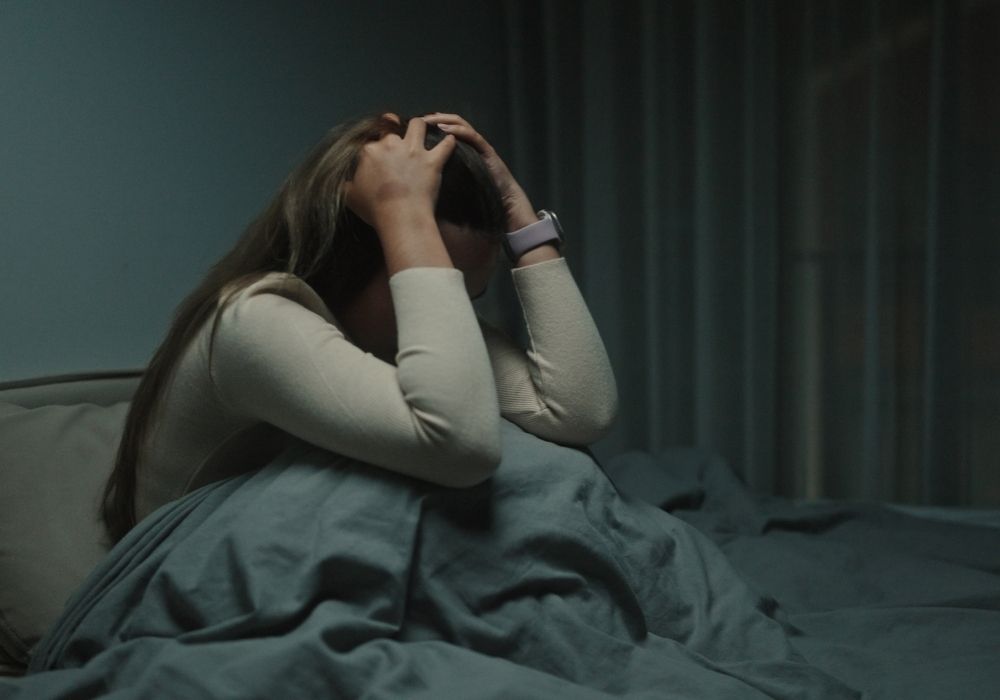
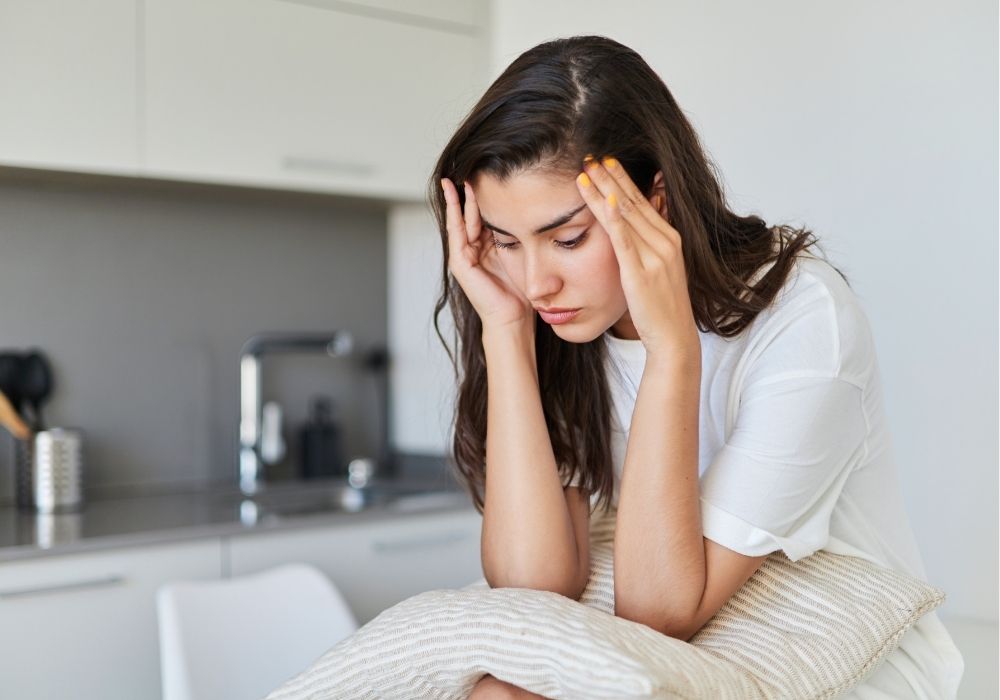
Yes. Some women develop new anxiety during the menopause transition, while others notice that existing anxiety becomes more intense. Symptoms may include excessive worry, dread, restlessness, racing thoughts, muscle tension, nausea, palpitations, sleep disruption, or panic-like episodes.
Hormone fluctuations may contribute, especially when anxiety appears alongside irregular periods, hot flashes, night sweats, insomnia, or other perimenopausal changes. However, not every new anxiety symptom is hormonal. Persistent, severe, or function-limiting symptoms deserve a broader evaluation.
What can perimenopause anxiety feel like?
Anxiety may be emotional, cognitive, physical, or all three. Women may notice:
- Persistent worry that feels difficult to control
- A sense of apprehension or dread without an obvious cause
- Racing thoughts, repetitive “what if” thinking, or nighttime rumination
- Feeling restless, keyed up, watchful, or unable to relax
- Muscle tension, jaw clenching, headaches, or body aches
- Palpitations, chest tightness, sweating, shaking, nausea, dizziness, or shortness of breath
- Sudden panic-like waves with a feeling of impending doom or loss of control
- Increased sensitivity to noise, crowds, traffic, conflict, or competing demands
- Avoiding situations that previously felt manageable
- Difficulty concentrating, making decisions, or tolerating uncertainty
- Waking in the early morning with an activated mind and body
- Needing more reassurance from a partner, clinician, or loved one
These symptoms can overlap with hot flashes, sleep deprivation, thyroid disease, medication effects, heart rhythm problems, low blood sugar, anemia, and other conditions. The timing, duration, triggers, severity, and effect on daily life matter.

Stress, anxiety, and panic are not the same

Stress usually relates to an external demand and may ease when the situation resolves.
Anxiety can persist even when there is no immediate threat and may interfere with sleep, concentration, relationships, work, or daily activities.
A panic attack is a sudden surge of intense fear or discomfort that may include a pounding heart, sweating, trembling, shortness of breath, dizziness, nausea, chest discomfort, or fear of dying or losing control.
A hot flash can also cause heat, sweating, palpitations, and a rush of alarm. The sensations may resemble panic, and fear of another episode can create a reinforcing cycle. A clinician should consider the full pattern rather than deciding from one symptom.
Why can anxiety intensify during perimenopause?
Several pathways may overlap.
Who may be more vulnerable to anxiety during perimenopause?
Risk or symptom burden may be higher with:
- A previous anxiety disorder, panic attacks, depression, or trauma-related symptoms
- Severe PMS, PMDD, postpartum depression or anxiety, or prior sensitivity to hormone transitions
- Significant hot flashes, night sweats, insomnia, chronic pain, or migraine
- Major life stress, grief, caregiving strain, relationship conflict, or social isolation
- Surgical menopause or another abrupt reproductive hormone change
- A personal or family history of bipolar disorder
- Alcohol or substance misuse
- Thyroid disease, anemia, sleep apnea, or other health conditions that mimic or amplify anxiety
- Limited access to support or healthcare
Risk factors do not determine the outcome. They help guide screening, treatment, follow-up, and referral.
When should anxiety be evaluated?
Schedule a clinical evaluation when anxiety:
- Persists for weeks, keeps returning, or is getting worse
- Feels difficult to control or is present without a clear external trigger
- Interferes with work, relationships, sleep, driving, exercise, travel, or self-care
- Leads to avoidance, repeated reassurance-seeking, or frequent checking of physical symptoms
- Includes panic-like episodes, palpitations, dizziness, or shortness of breath
- Occurs with persistent sadness, hopelessness, loss of pleasure, or significant irritability
- Began after starting, stopping, or changing a medication, hormone, supplement, or substance
- Occurs with heavy bleeding, thyroid symptoms, major weight change, or severe fatigue
- Includes unusually elevated or driven energy, impulsivity, rapid speech, or very little need for sleep
Seek urgent medical care for new or severe chest pain, fainting, severe shortness of breath, one-sided weakness, difficulty speaking, severe confusion, or another potentially life-threatening symptom. Do not drive yourself if you may be having a medical emergency; call 911.
Call or text 988 for suicidal crisis, thoughts of self-harm, or concern that you may not remain safe. Immediate help is also needed for hallucinations, violent thoughts, or extreme agitation.
How Benehealth evaluates anxiety after 40
A useful assessment considers menopause symptoms, mental health, physical health, medications, and life context together. Depending on the history, the review may include:
- When anxiety began, how often it occurs, what triggers it, and how long episodes last
- The difference between worry, panic, dread, restlessness, palpitations, breathlessness, and hot flashes
- Menstrual changes, hot flashes, night sweats, sleep, pain, fatigue, cognition, and sexual health
- The effect on work, relationships, driving, travel, decision-making, and self-care
- Previous anxiety, panic, depression, PMS, PMDD, postpartum symptoms, trauma, ADHD, or psychiatric treatment
- Screening for anxiety, depression, bipolar symptoms, substance use, and immediate safety concerns
- Sleep duration and quality, insomnia, snoring, witnessed breathing pauses, restless legs, and daytime sleepiness
- Prescription medications, hormones, supplements, caffeine, alcohol, nicotine, cannabis, and recent changes
- Nutrition, hydration, activity, workload, caregiving, grief, and social support
- Signs that suggest thyroid disease, anemia, iron deficiency, glucose concerns, arrhythmia, sleep apnea, or another medical contributor
- Whether targeted examination, laboratory testing, an electrocardiogram, sleep evaluation, psychotherapy, psychiatry, gynecology, primary care, cardiology, or another referral is appropriate
Validated tools such as the GAD-7 may support screening and follow-up, but a score is not a complete diagnosis. Screening for past or current mania or hypomania is important before antidepressant treatment because bipolar depression requires a different approach.
What can help perimenopause anxiety?
Treatment should match the diagnosis, severity, menopause stage, health history, preferences, and safety needs. Often, the most useful plan addresses several connected drivers.
What can you do during a wave of anxiety?
If symptoms are familiar and you have no emergency warning signs:
- Place both feet on the floor and name what is happening: “This is a wave of anxiety, and I am assessing it.”
- Slow the breath gently, with a comfortable inhale and a slightly longer exhale; stop if deliberate breathing makes you more lightheaded.
- Reduce noise, screens, heat, or crowding when possible.
- Use the senses to orient to the present: notice what you can see, hear, feel, and touch.
- Sip water and consider whether you have eaten recently.
- Avoid adding more caffeine, alcohol, nicotine, or an unreviewed calming product.
- Contact a trusted person or clinician if the episode is not settling or you feel unsafe.
Do not use grounding techniques to talk yourself out of emergency evaluation when symptoms are new, severe, or medically concerning.
What a whole-person anxiety plan should not do
A responsible plan should not:
- Attribute every anxious sensation to estrogen, progesterone, cortisol, the adrenals, or the gut
- Diagnose the cause from one hormone or cortisol result
- Promise that hormone therapy will cure anxiety or panic attacks
- Delay psychotherapy or psychiatric treatment while pursuing extensive testing or supplements
- Assume chest pain, fainting, or severe shortness of breath is “only anxiety”
- Prescribe a stimulant, thyroid hormone, peptide, infusion, or supplement simply to change energy or mood
- Recommend abrupt changes to psychiatric medication
- Ignore bipolar symptoms, trauma, substance use, relationship safety, or suicidal thoughts
- Tell a woman to simply relax, meditate, or think positively when she is struggling to function
Whole-person care means considering biology, psychology, sleep, relationships, life context, and safety at the same time.
Frequently Asked Questions About Perimenopause Anxiety
You deserve more than “it is just stress”
Anxiety during perimenopause is common enough to recognize and important enough not to minimize. You do not have to decide on your own whether the cause is hormonal, medical, situational, or psychiatric.
Benehealth helps women in Sun City, Surprise, Fountain Hills, and surrounding Arizona communities organize the full picture, identify modifiable contributors, and determine appropriate next steps. When dedicated mental health, gynecologic, sleep, primary, cardiac, or emergency care is needed, referral and coordination are part of responsible treatment.
Embrace a future of balanced hormones and enhanced well-being—your journey to optimal health starts here with Benehealth.Top of Form