

Maybe you are more impatient, reactive, tearful, or easily overwhelmed than you used to be. A small inconvenience can feel enormous. You may snap at someone you love, then wonder where that reaction came from. Some days you feel steady; other days, your emotions seem to change before you can catch up.
Mood swings and irritability can occur during perimenopause and early postmenopause. Changing reproductive hormones may affect emotional regulation, but hormones rarely act alone. Poor sleep, hot flashes, pain, irregular or heavy periods, medications, alcohol, thyroid concerns, depression, anxiety, and the very real demands of midlife can all influence how you feel and respond.
At Benehealth, we take the change seriously without assuming every emotion is hormonal. The goal is to understand the pattern, identify overlapping contributors, and build an individualized plan that stays within the right clinical scope.

Quick Answer: Can perimenopause cause mood swings and irritability?
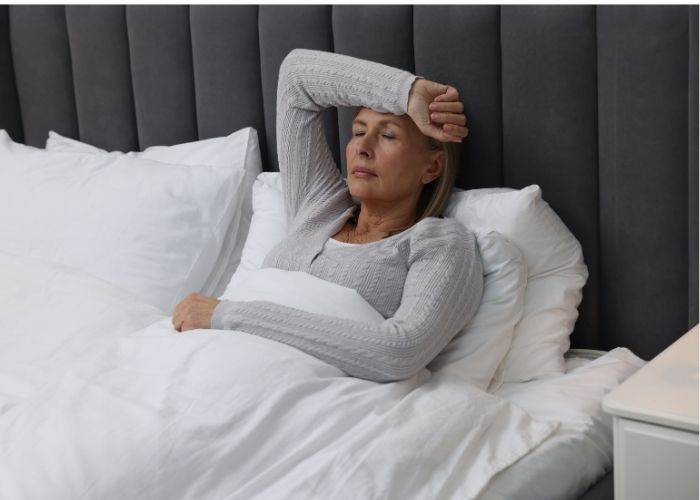
Yes. Mood symptoms similar to premenstrual syndrome can occur during perimenopause, including irritability, tearfulness, low energy, difficulty concentrating, and feeling emotionally reactive. Unlike classic PMS, these symptoms may become less predictable as menstrual cycles change.
Hormone fluctuations may contribute, while hot flashes, sleep disruption, physical symptoms, stress, and prior sensitivity to reproductive hormone changes can intensify the experience. However, persistent or severe symptoms should not automatically be labeled menopause. Depression, anxiety disorders, bipolar disorder, thyroid disease, medication or substance effects, sleep disorders, and other contributors may need evaluation.
What can menopause-related irritability feel like?
The change may be subtle at first or feel completely unlike you. Women may notice:
- A shorter temper or less patience with ordinary frustrations
- Sudden anger, agitation, or feeling emotionally “on edge”
- Tearfulness or rapid shifts between frustration, sadness, and feeling fine
- Feeling overstimulated by noise, clutter, touch, interruptions, or competing demands
- Stronger emotional reactions that seem out of proportion to the situation
- Difficulty recovering after conflict or letting go of a stressful interaction
- Feeling guilty, embarrassed, or confused after snapping at others
- Low tolerance for work pressure, caregiving demands, or decision-making
- More conflict with a partner, family member, friend, or coworker
- Mood changes that worsen around poor sleep, night sweats, pain, or menstrual shifts
The pattern matters. A brief wave of irritability after a sleepless night is different from weeks of persistent anger, hopelessness, impulsive behavior, or major changes in functioning.

Mood swings are not a diagnosis

“Mood swings” is a broad description, not a medical diagnosis. It may refer to ordinary emotional variability, perimenopausal mood instability, PMS or PMDD, depression, anxiety, trauma-related symptoms, medication effects, substance use, attention-related overwhelm, or a bipolar-spectrum condition.
This distinction matters because the treatments are not interchangeable. A hormone dose should not be used to bypass assessment for depression or bipolar disorder, and a mental health diagnosis should not be assumed simply because a woman feels more irritable during a demanding life stage.
Why can irritability increase during the menopause transition?
Several pathways often overlap.
When are mood changes more than menopause irritability?
Schedule an evaluation when mood changes:
- Persist for weeks, are worsening, or feel difficult to control
- Interfere with relationships, work, driving, sleep, or self-care
- Include persistent sadness, hopelessness, numbness, guilt, or loss of pleasure
- Include panic, constant worry, avoidance, or physical anxiety symptoms
- Lead to aggression, unsafe conflict, damaged property, or fear within the home
- Began after a medication, hormone, supplement, or substance change
- Occur with major sleep changes, thyroid symptoms, heavy bleeding, or significant fatigue
- Include impulsive spending, risky behavior, unusually rapid speech, or feeling driven with little need for sleep
Get immediate help for thoughts of suicide or self-harm, concern that you may harm someone else, inability to remain safe, hallucinations, severe confusion, or extreme agitation. Call or text 988 for the Suicide and Crisis Lifeline. Call 911 or go to the nearest emergency department for immediate danger.
How Benehealth evaluates mood swings and irritability after 40
A useful assessment considers menopause symptoms, mental health, physical health, and life context together. Depending on your history, the review may include:
- When the change began, how often it occurs, what triggers it, and how long it lasts
- The effect on work, relationships, parenting, caregiving, sleep, driving, and self-care
- Menstrual changes, hot flashes, night sweats, pain, fatigue, cognition, and sexual health
- Sleep quality, insomnia, snoring, breathing pauses, restless legs, and daytime sleepiness
- Previous PMS, PMDD, postpartum depression, anxiety, depression, trauma, ADHD, or psychiatric care
- Screening for depression, anxiety, bipolar symptoms, substance use, relationship safety, and urgent concerns
- Current prescriptions, hormones, over-the-counter medicines, supplements, caffeine, alcohol, cannabis, nicotine, and recent changes
- Nutrition patterns, hydration, physical activity, workload, caregiving, grief, and social support
- Signs that suggest thyroid disease, anemia, iron deficiency, glucose concerns, sleep apnea, or another medical contributor
- Whether targeted examination, laboratory testing, psychotherapy, psychiatry, gynecology, sleep care, medication management, or another referral is appropriate
Screening tools may support the evaluation, but no questionnaire or laboratory result is a complete diagnosis. Screening for past or current mania or hypomania is important before antidepressant treatment because bipolar depression requires a different approach.
How are perimenopausal mood swings different from PMS or PMDD?
PMS symptoms usually recur during the luteal phase before a period and improve soon after bleeding begins. PMDD is a severe cyclical condition that can cause marked irritability, mood changes, depression, anxiety, and functional impairment.
During perimenopause, cycles may become irregular and emotional symptoms may no longer follow a predictable monthly pattern. Some women with a history of PMS or PMDD notice that symptoms intensify or become harder to anticipate.
Tracking symptoms and bleeding for several weeks or cycles can help identify timing. Do not delay care to complete tracking if symptoms are severe, safety is a concern, or daily functioning is deteriorating.

What can help mood swings and irritability during menopause?
Treatment should match the pattern, severity, diagnoses, menopause stage, health history, preferences, and safety needs.
What a whole-person plan should not do

A responsible plan should not:
- Attribute every emotional reaction to estrogen, progesterone, cortisol, or the gut
- Diagnose the cause from one hormone or cortisol test
- Promise that hormone therapy will eliminate anger or repair a relationship
- Delay mental health treatment while pursuing extensive testing or supplements
- Treat irritability without screening for depression, anxiety, bipolar symptoms, substance use, trauma, and safety
- Recommend abrupt changes to psychiatric medication
- Tell a woman to simply calm down, meditate, or reduce stress when she is struggling to function
- Ignore the effect of symptoms on partners, children, coworkers, or personal safety
Whole-person care means taking biology, psychology, relationships, life context, and safety seriously at the same time.
Frequently Asked Questions About Menopause Mood Swings and Irritability
Feeling unlike yourself is a reason to look closer
Mood swings and irritability during the menopause transition are common enough to recognize and important enough not to dismiss. You do not have to decide alone whether the cause is hormonal, sleep-related, medical, situational, or psychiatric.
Benehealth helps women in Sun City, Surprise, Fountain Hills, and surrounding Arizona communities organize the full picture, identify modifiable contributors, and determine appropriate next steps. When dedicated mental health, gynecologic, sleep, primary, or emergency care is needed, referral and coordination are part of responsible treatment.
Embrace a future of balanced hormones and enhanced well-being—your journey to optimal health starts here with Benehealth.Top of Form