

Why Am I So Tired After 40? 8 Reasons Your Energy May Have Changed You used to recover after a busy week. Now you can sleep, drink the coffee, make…
Functional medicine evaluates hormone changes by looking at hormone levels, symptoms, lifestyle factors, and overall health patterns before creating a personalized care plan. A hormone therapy consultation helps determine whether…

When sexual desire changes, many women are handed one of two explanations: “It is just menopause” or “It is stress.” Both may be part of the picture, but neither is…

There is a special kind of frustration in being exhausted all day and wide awake when sleep finally becomes possible. During perimenopause and menopause, a night may include trouble drifting…

Vaginal dryness is one of those menopause symptoms that women are often expected to quietly manage with a tube of lubricant and a brave face. But dryness may affect much…
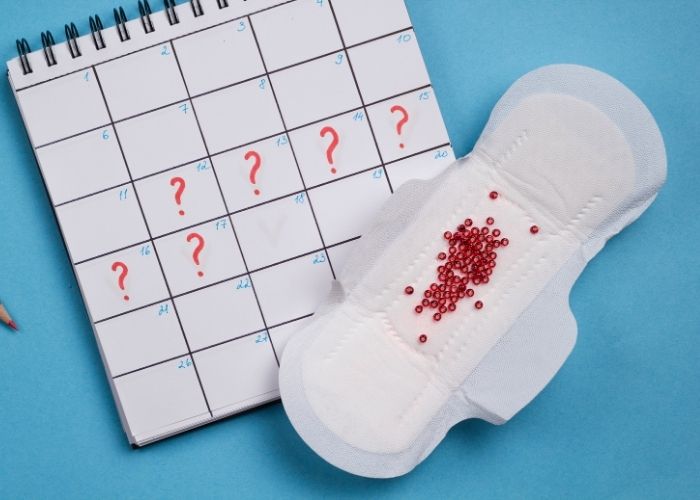
Your period is early. Then it is late. One month barely counts, and the next seems determined to make up for lost time. If your menstrual calendar has become more…

You finally fall asleep, only to wake an hour later feeling as though someone turned the thermostat to tropical. The covers come off, the fan goes on, and just when…
You open your laptop and forget what you planned to do. A familiar name disappears halfway through a sentence. You read the same paragraph three times and still cannot absorb…

Perimenopause can change menstrual migraine patterns because estrogen levels begin fluctuating more unpredictably before menopause. These hormonal shifts may cause migraine attacks to become more frequent, intense, prolonged, or difficult…
Sleep changes after 40 can be one of the earliest signs that hormonal health is shifting, especially during perimenopause and menopause. When estrogen, progesterone, cortisol, and other hormones fluctuate, the…