

Running on Empty Is a Symptom - Not a Personality Flaw
You wake up tired, push through the afternoon, and wonder where your energy went. Coffee may help briefly, but the fog and heaviness return. Work, exercise, meal planning, relationships, and even simple decisions can feel harder than they used to.
Fatigue is frequently reported during perimenopause and menopause. Hormone changes may contribute indirectly through hot flashes, disrupted sleep, mood symptoms, pain, or heavier and less predictable bleeding. But fatigue is not specific to menopause, and it should not automatically be explained away as age, stress, or “hormone imbalance.”
At Benehealth, we look at the pattern as a whole: menopause symptoms, sleep, menstrual bleeding, nutrition, medications, mood, activity, medical history, and signs that point toward anemia, iron deficiency, thyroid disease, sleep apnea, glucose concerns, infection, or another condition.

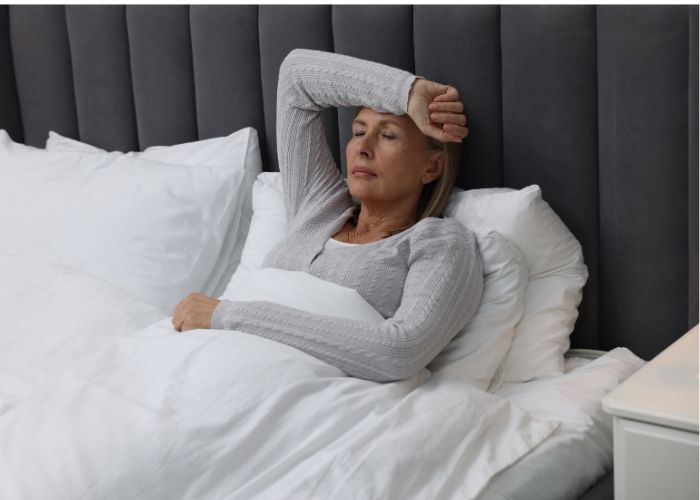
Quick Answer: Can perimenopause and menopause cause fatigue?
Yes. Many women report fatigue or physical and mental exhaustion during the menopause transition. Hot flashes, night sweats, insomnia, mood changes, pain, and heavy or prolonged bleeding can all reduce energy. Changing hormone patterns may also affect how well a woman feels and functions.
However, fatigue has many possible causes. Persistent, worsening, unexplained, or function-limiting fatigue deserves evaluation rather than being assumed to be menopause. The goal is not to prove that one hormone caused the problem; it is to identify the contributors that can be treated or supported.
What can low desire feel like?
Fatigue is more than ordinary sleepiness after a late night. Women may describe:
- Waking unrefreshed even after enough time in bed
- Feeling physically heavy, weak, drained, or “battery empty”
- An afternoon energy crash or difficulty sustaining activity
- Reduced motivation or needing more effort to complete routine tasks
- Mental exhaustion, slow thinking, poor focus, or brain fog
- Less stamina for exercise, work, caregiving, or social activity
- Feeling “wired but tired,” especially after a poor night of sleep
- Needing frequent caffeine, sugar, or naps to get through the day
- Longer recovery after exertion than expected
- Fatigue that fluctuates with menstrual bleeding, night sweats, stress, or cycle changes
The timing and associated symptoms matter. Fatigue with heavy periods suggests a different evaluation than fatigue with loud snoring, post-exertional worsening, low mood, fever, weight loss, or new shortness of breath.

Fatigue, sleepiness, weakness, and burnout are not the same
These experiences can overlap, but separating them helps guide the next step.
Fatigue is a lack of physical or mental energy. Rest may help partially or not at all.
Sleepiness is a tendency to doze or fall asleep and may point toward inadequate sleep, medication effects, or a sleep disorder.
Weakness is reduced muscle strength and may need a neurologic, metabolic, medication, or other medical evaluation.
Burnout is work-related emotional and physical depletion, but it does not exclude anemia, depression, sleep apnea, menopause symptoms, or another health condition.
Calling every version of exhaustion “menopause fatigue” can delay the right care. A useful assessment asks what tired means for you.
Why can energy change during perimenopause and menopause?
Several factors may be operating at the same time.
When should fatigue be evaluated promptly?
Schedule a clinical evaluation when fatigue:
- Persists for several weeks, keeps returning, or is getting worse
- Interferes with work, driving, exercise, relationships, or self-care
- Is accompanied by heavy menstrual bleeding, palpitations, dizziness, or shortness of breath
- Occurs with loud snoring, gasping, morning headaches, or unrefreshing sleep
- Comes with unexplained weight loss, fever, night sweats unrelated to hot flashes, swollen lymph nodes, or persistent pain
- Is associated with marked thirst, frequent urination, numbness, weakness, or other new symptoms
- Began after an infection and includes substantial post-exertional worsening
- Occurs with persistent sadness, loss of pleasure, hopelessness, or severe anxiety
- Is new after starting or changing a medication, hormone, supplement, or substance
Seek urgent care for chest pain, severe shortness of breath, fainting, new one-sided weakness, difficulty speaking, severe confusion, black or bloody stools, vomiting blood, or bleeding severe enough to soak through a pad or tampon every hour for more than two hours, especially with dizziness or shortness of breath. Call 911 for a life-threatening emergency.
Call or text 988 for suicidal crisis or concern that you may not remain safe.
How Benehealth evaluates persistent fatigue after 40
There is no single “menopause fatigue test.” A useful evaluation is guided by the story and may include:
- When the fatigue began, whether it is constant or episodic, and how it affects daily function
- The difference between low energy, sleepiness, weakness, breathlessness, and loss of motivation
- Menstrual changes, bleeding volume, hot flashes, night sweats, pain, sexual health, and other menopause symptoms
- Sleep duration and quality, insomnia, snoring, witnessed breathing pauses, restless legs, and daytime sleepiness
- Mood, anxiety, stress, grief, workload, caregiving, and social support
- Nutrition, hydration, alcohol, caffeine, movement, recent weight change, and recovery after exertion
- Prescription medications, hormones, over-the-counter products, supplements, and recent changes
- Medical history, infections, chronic conditions, family history, and age-appropriate preventive care
- Targeted physical examination and testing based on the findings
Depending on the clinical picture, targeted testing may include a complete blood count, iron studies, thyroid testing, metabolic testing, glucose assessment, vitamin B12, or other studies. Not every woman needs every test. A sleep study, gynecologic evaluation, mental health assessment, cardiac or pulmonary evaluation, or other referral may be more important than adding another lab panel.
In women over 45 with a typical menopause transition, reproductive hormone testing is often not needed to establish perimenopause. A single estrogen, progesterone, or FSH level usually cannot explain fatigue because levels can fluctuate substantially. Testing may be appropriate in selected circumstances, including an atypical age or presentation.
What a whole-person fatigue plan should not do
A responsible plan should not:
- Assume every tired woman over 40 needs hormones
- Diagnose the cause from one FSH, estrogen, progesterone, or cortisol result
- Label unexplained fatigue as “adrenal fatigue” and stop looking
- Order large panels without explaining how results will change care
- Recommend stimulants, peptides, supplements, or thyroid hormone simply to create energy
- Ignore heavy bleeding, snoring, depression, medication effects, or post-exertional worsening
- Tell a depleted woman to exercise harder without assessing her current capacity
- Promise that one diet, detox, infusion, or supplement will restore energy
Whole-person care means looking broadly while staying disciplined about evidence, safety, and scope.
What can help fatigue during menopause?
Treatment should address the contributors found rather than treating “energy” as a stand-alone target.
Frequently Asked Questions About Low Libido After 40
You do not have to normalize exhaustion
Fatigue can be part of the menopause experience, but “common” does not mean you should accept feeling depleted without understanding why. Sometimes the most useful treatment is better menopause symptom control. Sometimes it is iron replacement, sleep apnea treatment, thyroid care, nutrition support, mental health treatment, a medication adjustment, or specialist evaluation.
Benehealth helps women in Surprise, Fountain Hills, and surrounding Arizona communities sort through the overlap and build a focused next-step plan.