

Low Libido in Women Over 40

When Desire Changes, the Right Question Is “Why?”

Maybe sex rarely crosses your mind now. Maybe you still want closeness, but your body does not respond the way it once did. Or perhaps desire appears only after affection or stimulation begins, leaving you worried that something is wrong.

Sexual desire often changes in the 40s and beyond. Perimenopause and menopause can contribute, but libido is not controlled by a single hormone. Sleep, stress, mood, pain, vaginal dryness, medications, medical conditions, body image, relationship dynamics, and the quality of sexual experiences can all shape interest.

There is also no required amount of desire and no “normal” frequency of sex to meet. A change becomes a health concern when it is unwanted, persistent, or distressing to you. At Benehealth, the goal is not to force desire into a number. It is to understand what changed, identify treatable contributors, and build a plan that respects your health, preferences, relationships, and definition of well-being.

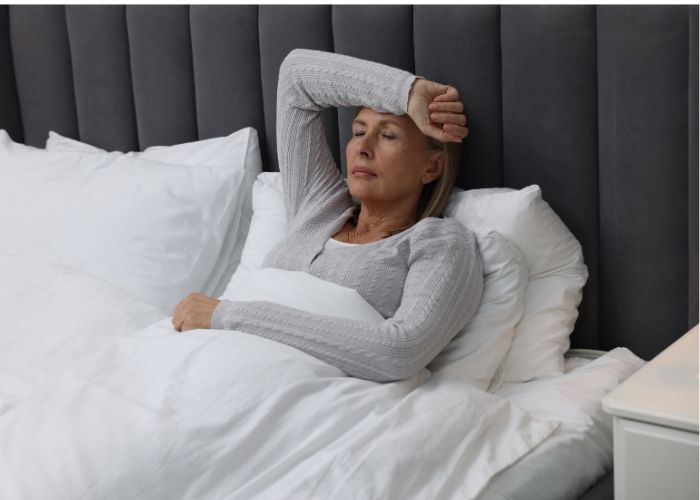
A woman sitting on a toilet, holding her head and stomach, appears to be experiencing discomfort.
Night Sweat Menopause

Quick Answer: Why does libido often decrease after 40?

Low libido after 40 may reflect several overlapping factors. Hormone changes can contribute indirectly through hot flashes, poor sleep, vaginal dryness, pain, or shifts in arousal. Stress, depression, anxiety, medications, chronic illness, relationship strain, and unsatisfying or painful sexual experiences may also reduce interest.

Some women simply experience a different pattern of desire with age, including desire that develops after intimacy begins rather than appearing spontaneously. Low desire is not automatically a disorder. It deserves evaluation when it causes personal distress or relationship difficulty and is not better explained by another problem.

What can low desire feel like?

The experience is different for every woman. You may notice:

  • Rarely thinking about sex or initiating sexual activity
  • Less interest in erotic cues, touch, or activities you once enjoyed
  • Wanting emotional closeness without wanting sexual contact
  • Needing more time, context, or stimulation before desire appears
  • Difficulty becoming or staying physically aroused
  • Avoiding intimacy because penetration, touch, or orgasm is painful
  • Feeling disconnected from your body after illness, surgery, weight change, or menopause symptoms
  • Participating mainly from obligation and feeling resentment, worry, guilt, or pressure
  • Distress because your level of desire no longer feels like your own

Desire, arousal, orgasm, and pain are related but not interchangeable. A woman may have low desire because sex hurts, difficulty with arousal despite interest, or satisfying intimacy without spontaneous desire. Naming the main concern helps direct the evaluation.

Irregular Periods Pain

Is responsive desire normal?

Yes. Desire does not always arrive before sexual activity. For many women, especially in long-term relationships, interest may develop after affection, emotional connection, touch, or stimulation begins. This is often called responsive desire.

Responsive desire is not the same as agreeing to unwanted or painful activity. Consent should remain clear and ongoing, and there should be no pressure to continue. But the absence of a sudden, spontaneous urge does not by itself mean that libido is broken.

Why can desire change during perimenopause and menopause?

Several factors often overlap.

  • Vaginal dryness or pain can teach the body to avoid sex: Lower estrogen can contribute to genitourinary syndrome of menopause, or GSM. Dryness, burning, irritation, reduced lubrication, urinary symptoms, and pain with penetration can make intimacy feel risky rather than inviting. Even after pain improves, the body may need time and positive experiences to rebuild anticipation and trust.

    Painful sex should not be pushed through. Lubricants and vaginal moisturizers may help some symptoms. Prescription options for GSM can include low-dose vaginal estrogen, vaginal DHEA, or oral ospemifene for appropriate patients. Pelvic floor physical therapy or specialty evaluation may be useful when muscle tension, vulvar pain, dermatologic conditions, or other causes are present.
  • Hot flashes, poor sleep, and fatigue can crowd out interest: When the body is overheated, sleep deprived, or depleted, sexual interest may fall behind more immediate needs. Treating bothersome vasomotor symptoms, insomnia, sleep apnea, pain, or fatigue may improve the conditions in which desire can return, even when the treatment is not a libido medication.
  • Mood and nervous-system load matter: Depression can reduce pleasure and motivation. Anxiety, trauma, grief, caregiving, work pressure, and chronic stress can keep the nervous system focused on safety and responsibility rather than erotic attention. These factors are physiological and psychological; they are not evidence that the concern is “all in your head.”
  • Medications and substances may affect sexual function: Some antidepressants, blood pressure medicines, hormonal therapies, opioids, sedatives, and other drugs can affect desire, arousal, lubrication, or orgasm. Alcohol and other substances may change inhibition in the moment while worsening sleep, mood, arousal, or relationship patterns over time.

    Do not stop or change a prescription on your own. A medication review can determine whether timing, dose, an alternative, or treatment of a side effect is appropriate.
  • Medical conditions can change energy, sensation, and confidence: Thyroid disease, diabetes, cardiovascular disease, neurologic conditions, chronic pain, cancer treatment, pelvic surgery, anemia, and other health concerns may influence sexual function. A partner's health or sexual difficulty can also affect the shared experience.
  • Relationship and life context shape desire: Desire is sensitive to emotional safety, privacy, trust, communication, novelty, time, and whether sex has been pleasurable. Conflict, unequal workload, caregiving, a new partner, loss, fertility concerns, or mismatched desire can all matter. Relationship context should be explored without assuming that the relationship is the problem.

Is low testosterone the cause?

Not necessarily. Testosterone participates in sexual function, but a single blood level cannot diagnose HSDD or explain libido by itself. There is no established “female androgen deficiency” blood-test cutoff that identifies who will benefit from treatment.

Evidence supports carefully monitored systemic testosterone as an option for selected postmenopausal women with HSDD after a full biopsychosocial assessment. In the United States, however, no testosterone product is FDA-approved specifically for women. When testosterone is considered, professional guidance favors physiologic dosing with an appropriate transdermal product, baseline and follow-up monitoring, and avoidance of levels above the normal premenopausal range.

Pellets, injections, oral formulations, and compounded products can create dosing and safety concerns and are not interchangeable with guideline-based therapy. Testosterone is not a general anti-aging treatment, a weight-loss tool, or a universal answer for fatigue, mood, or low libido.

When should low libido be evaluated?

Consider an evaluation when:

  • The change is persistent, unwanted, or distressing
  • You avoid intimacy because of pain, dryness, bleeding, burning, or urinary symptoms
  • Desire changed after a new medication, dose, surgery, illness, or major life event
  • You also have depression, anxiety, loss of pleasure, severe fatigue, or disrupted sleep
  • You have pelvic pain, vulvar skin changes, numbness, or difficulty with arousal or orgasm
  • The concern is creating conflict, pressure, shame, or disconnection in a relationship
  • You are considering hormones, testosterone, a libido medication, or an over-the-counter supplement

Seek prompt care for bleeding after menopause, bleeding after sex, a new breast or pelvic symptom, severe pelvic pain, genital sores, signs of infection, or any sexual activity that is coerced or unsafe. If you are in immediate danger, call emergency services. Support for sexual assault or relationship violence is also available through confidential national and local resources.

When is low libido considered HSDD?

Hypoactive sexual desire disorder, or HSDD, describes persistently low or absent sexual desire that causes meaningful personal distress or interpersonal difficulty and is not better explained by a medical or psychiatric condition, a medication or substance, or relationship problems.

A diagnosis requires more than a hormone result or a brief checklist. A clinician considers whether the change is acquired or lifelong, generalized or situation-specific, how long it has been present, and whether it is genuinely troubling to the woman herself. Not every woman with low desire has HSDD, and no one needs a diagnosis to deserve a respectful conversation about sexual health.

How Benehealth evaluates low libido after 40
Vaginal Dryness

A useful evaluation considers the whole sexual response rather than ordering a hormone panel and stopping there. Depending on your history, we may review:

  • What changed, when it changed, and whether the concern is generalized or situation-specific
  • Whether desire is absent, responsive, or reduced because arousal, orgasm, or pain is the primary issue
  • Whether the change causes personal distress and what improvement would mean to you
  • Perimenopause or menopause symptoms, menstrual history, sleep, energy, and mood
  • Vaginal dryness, urinary symptoms, pelvic floor concerns, pain, and bleeding
  • Current prescriptions, over-the-counter products, supplements, alcohol, and other substances
  • Medical conditions, surgeries, pregnancy or postpartum history, and cancer treatment
  • Body image, privacy, stress, trauma history, relationship context, and partner concerns
  • Whether a focused examination, targeted laboratory testing, medication adjustment, therapy, pelvic floor care, gynecology, sexual medicine, or another referral is appropriate

Laboratory testing is selective. It may be appropriate when the history suggests thyroid disease, anemia, diabetes, elevated prolactin, or another medical concern. Testosterone testing may establish a baseline and support safe monitoring when treatment is being considered, but it does not diagnose HSDD on its own.

What can help low libido in women over 40?

The best plan targets the contributors that matter in your situation. Often, care is layered rather than reduced to one product.

  • Treat pain, dryness, and GSM first: When sex is uncomfortable, restoring tissue comfort and reducing pain is often the first priority. Regular vaginal moisturizers, lubricants used during sexual activity, prescription GSM therapies, pelvic floor physical therapy, and treatment of dermatologic or pain conditions may all be considered. Local vaginal therapies primarily treat tissue and pain symptoms; they should not be marketed as direct libido boosters.
  • Address sleep, mood, health conditions, and medication effects: Improving sleep, treating depression or anxiety, managing pain, and reviewing medications may remove important barriers to desire. These steps are not a dismissal of sexual concerns. They are part of an evidence-based biopsychosocial approach.
  • Use counseling or sex therapy when appropriate: Individual therapy, couples counseling, sex therapy, mindfulness-based approaches, and communication skills may help with stress, avoidance, body image, desire discrepancy, trauma, or a pattern in which intimacy has become pressured. Referral should be affirming and matched to the concern.
  • Consider prescription HSDD treatment for appropriate patients: Flibanserin is an FDA-approved, nonhormonal daily medication for acquired, generalized HSDD in women younger than 65, regardless of reproductive status. It is not intended to enhance sexual performance or treat low desire caused by another medical or psychiatric condition, medication, substance, or relationship problem. It has important contraindications, drug interactions, alcohol timing precautions, and risks including low blood pressure, fainting, dizziness, and sleepiness. It is not right for everyone.

    Bremelanotide is an as-needed injectable prescription option approved for certain premenopausal women with acquired, generalized HSDD. It is not approved for postmenopausal women. Nausea, temporary blood pressure increases, and other safety considerations require appropriate screening and counseling.

    Medication eligibility depends on the diagnosis, age and reproductive status, health history, other medications, safety profile, preferences, and whether the expected benefit is meaningful to you. The live page should describe only treatments that Benehealth clinicians are licensed, trained, and prepared to evaluate or coordinate.
  • Consider testosterone only within an evidence-based framework: For selected postmenopausal women with HSDD, a monitored trial of systemic transdermal testosterone may be considered after other contributors have been addressed. Because use for women is off-label in the United States, informed consent, careful dosing, follow-up laboratory monitoring, assessment of clinical response, and surveillance for acne, hair growth, scalp hair loss, voice change, or other adverse effects are important.

    Long-term safety data remain limited. Treatment should be stopped when there is no meaningful benefit after an adequate trial or when risks outweigh benefits. Supraphysiologic dosing and marketing testosterone as a universal midlife optimization therapy are not appropriate.
  • Be cautious with “natural libido boosters”: Supplements marketed for female desire often combine multiple ingredients with limited evidence, variable quality, and potential interactions. “Natural” does not prove safety or effectiveness. Products should not be used to bypass evaluation of pain, medication effects, mood, medical conditions, or HSDD.

Frequently Asked Questions About Low Libido After 40

A better conversation can be the first treatment

Low desire after 40 is not a moral failing, proof of a broken relationship, or an inevitable problem you must accept. It is also not always a disease. The meaningful question is whether the change bothers you and what is shaping it.

At Benehealth, we approach sexual health without judgment or a one-hormone explanation. We help identify modifiable contributors, discuss evidence-based options and limitations, and coordinate specialized care when needed. The goal is not a promised level of libido. It is care that helps you feel informed, comfortable, and more connected to your own priorities.

Book a Functional Medicine Discovery Session : Booking Link

Call us at 623-440-5816