

Wide Awake When You Are Already Worn Out
You fall asleep and wake two hours later, suddenly hot and alert. Or you stare at the ceiling at 3 a.m. while tomorrow's responsibilities begin running through your mind. Maybe you spend enough time in bed but wake feeling as if sleep never restored you.
Sleep can change dramatically during perimenopause and menopause. Hormone fluctuations, hot flashes, stress, mood symptoms, pain, and shifts in the body's sleep-wake rhythm may all play a role. But persistent insomnia should not automatically be blamed on hormones. Sleep apnea, restless legs, thyroid concerns, medications, alcohol, and other conditions can look surprisingly similar.
At Benehealth, we look for the pattern behind the problem. We consider what happens before bed, during the night, and the next day - along with your menopause symptoms, health history, medications, and goals - so the plan addresses more than the clock.

Quick Answer: Why does menopause cause insomnia?
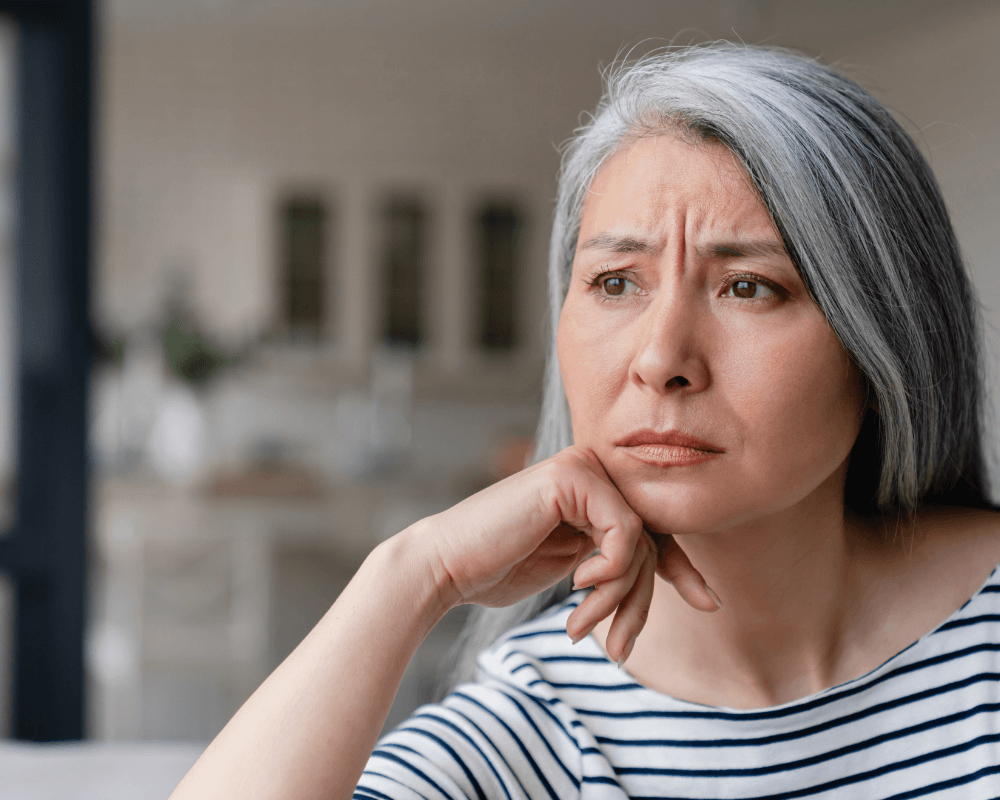
During perimenopause, changing estrogen and progesterone levels can affect temperature regulation, mood, and sleep. Hot flashes and night sweats may wake the brain fully, while anxiety, low mood, urinary symptoms, or pain can make it harder to return to sleep. Aging-related changes in sleep timing and depth may add to the disruption.
Menopause can contribute to insomnia, but it is not the only possible cause. Chronic sleep difficulty deserves an evaluation that also considers sleep apnea, restless legs, medical conditions, medication effects, and daily habits.
What can menopause-related sleep trouble feel like?
The pattern is not the same for everyone. You may notice:
- Taking a long time to fall asleep
- Waking repeatedly through the night
- Waking hot, sweaty, chilled, or with a racing heart
- Becoming fully alert in the early morning and being unable to return to sleep
- Sleeping lightly and reacting to every sound or movement
- Feeling exhausted despite spending enough time in bed
- Daytime sleepiness, irritability, anxiety, low mood, or trouble concentrating
- Relying on caffeine to function and alcohol, antihistamines, supplements, or medication to wind down
- Worrying about sleep before bedtime, then trying harder and feeling even more awake
Poor sleep can amplify other menopause symptoms. The next day, hot flashes may feel harder to manage, stress tolerance may shrink, food choices may become more reactive, and brain fog may feel more intense. This does not mean every symptom is caused by sleep, but sleep is often an important part of the larger picture.
Is it insomnia or an occasional bad night?
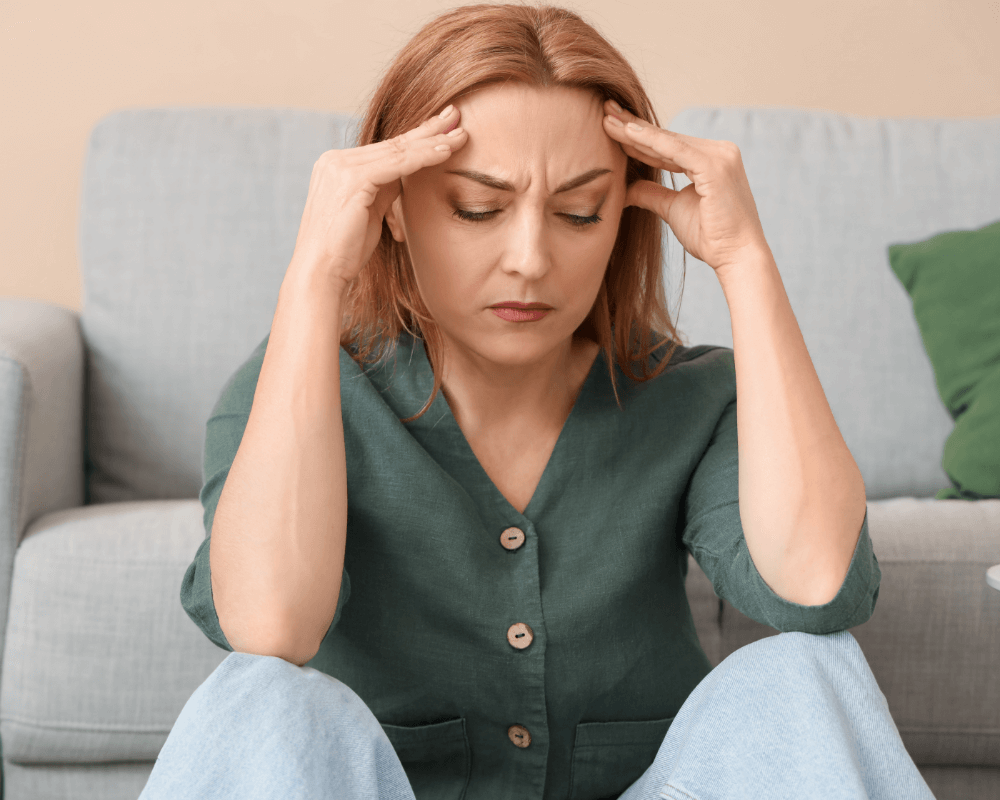
Everyone has difficult nights. Insomnia becomes a clinical concern when trouble falling asleep, staying asleep, or obtaining restorative sleep persists despite adequate opportunity for sleep and causes meaningful daytime impairment.
The exact duration and frequency matter when diagnosing chronic insomnia disorder, but you do not need to wait until you meet a label to ask for help. If sleep difficulty is recurring, creating anxiety, affecting safety, or interfering with work, relationships, memory, mood, or health, it deserves attention.
Why can sleep change during perimenopause and menopause?
Several factors often overlap.
Could something other than menopause be disrupting sleep?
Yes. Hormones may be one piece, but similar symptoms can occur with:
- Obstructive sleep apnea
- Restless legs syndrome or periodic limb movements
- Iron deficiency, anemia, or thyroid dysfunction
- Depression, anxiety, trauma, or another mental health concern
- Chronic pain, reflux, asthma, urinary symptoms, or another medical condition
- Stimulants, decongestants, corticosteroids, some antidepressants, thyroid medication, and other medicines
- Caffeine used too late or in amounts that outlast the day
- Alcohol, nicotine, cannabis, or other substances that alter sleep quality
- An irregular schedule, shift work, prolonged time in bed, or limited daytime light and activity
- A bedroom environment that is hot, noisy, bright, or frequently interrupted
This is why a personalized evaluation matters. A sleep aid may quiet the symptom temporarily while the real driver remains untreated.
When should sleep problems be evaluated?
Consider an evaluation when sleep difficulty:
- Happens repeatedly or is getting worse
- Persists even when you have enough opportunity to sleep
- Affects concentration, mood, work, relationships, or physical health
- Leads you to depend on alcohol, antihistamines, supplements, or prescription sedatives
- Occurs with snoring, gasping, witnessed breathing pauses, morning headaches, or marked daytime fatigue
- Occurs with an urge to move the legs, crawling sensations, or symptoms that worsen at rest and at night
- Is accompanied by significant anxiety, depression, panic, or loss of interest
- Began after a medication, supplement, dose, schedule, or health change
Do not drive or operate machinery when you are dangerously sleepy. Seek urgent help for thoughts of self-harm or an inability to stay safe. In the United States, call or text 988 for immediate crisis support.
Sleep apnea in women can look like insomnia
The risk of obstructive sleep apnea rises during and after menopause. Women do not always report the classic picture of loud snoring and obvious daytime sleepiness. Symptoms may include insomnia, frequent awakenings, fatigue, morning headaches, mood changes, or difficulty concentrating.
Tell your healthcare professional if you snore, wake gasping or choking, have witnessed breathing pauses, wake with a dry mouth or headache, feel unrefreshed despite enough sleep, or become dangerously sleepy during the day. High blood pressure, weight changes, and a family history can add context, but sleep apnea can occur across body sizes.
Sleep apnea needs appropriate testing and treatment. Sedating products and alcohol may worsen breathing or make symptoms harder to recognize.
How Benehealth evaluates menopause insomnia

A useful sleep evaluation goes beyond asking how many hours you slept. Depending on your history, we may review:
- Whether the main problem is falling asleep, staying asleep, early waking, or nonrestorative sleep
- Bedtime, wake time, time in bed, naps, schedule variability, and daytime effects
- Night sweats, hot flashes, menstrual changes, and other perimenopause or menopause symptoms
- Snoring, gasping, breathing pauses, morning headaches, and daytime sleepiness or fatigue
- Restless legs symptoms, movement during sleep, pain, reflux, and nighttime urination
- Caffeine, alcohol, nicotine, cannabis, and the timing of meals and exercise
- Current prescriptions, over-the-counter products, and supplements
- Stress, anxiety, depression, trauma, and the learned worry that can build around sleep
- Whether a sleep diary, validated screening tool, targeted laboratory testing, sleep study, or specialist referral is appropriate
Laboratory testing is not automatically required for insomnia. When the history suggests it, targeted tests may help assess concerns such as anemia, iron deficiency, or thyroid dysfunction. A single hormone level usually does not explain the full sleep pattern during perimenopause.
What helps menopause insomnia?
The best treatment matches the cause. Many women benefit from combining behavioral sleep treatment with care for the symptoms or conditions that keep waking them.
Frequently Asked Questions About Menopause Insomnia
Restful sleep starts with the right question
Menopause insomnia is real, but “it is just hormones” is rarely a complete answer. Your pattern may involve temperature changes, a conditioned insomnia cycle, stress, a medical concern, or several factors at once.
At Benehealth, we help you sort through those layers, identify sensible next steps, and coordinate additional sleep or specialty care when it is needed. The goal is not to promise eight perfect hours. It is to build a safer, more effective path toward sleep that feels restorative again.