

Intimacy Should Not Hurt - and Daily Comfort Should Not Disappear
Vaginal dryness can show up quietly. You may notice less natural lubrication, irritation when sitting or exercising, burning after urination, discomfort during a pelvic exam, or pain with intimacy that was never there before. It can affect confidence, relationships, sleep, movement, and everyday comfort - yet many women hesitate to bring it up.
These symptoms are common during perimenopause and menopause, but they are not something you simply have to tolerate. They may be part of genitourinary syndrome of menopause (GSM), a group of changes involving the vulva, vagina, urethra, and bladder as estrogen and other sex hormones decline.
At Benehealth, we make room for an honest, judgment-free conversation. We consider the full pattern - dryness, irritation, sexual comfort, urinary symptoms, medications, hormone history, health risks, and personal goals - then help you understand which options may be appropriate for you.
Quick Answer: What causes vaginal dryness during menopause?
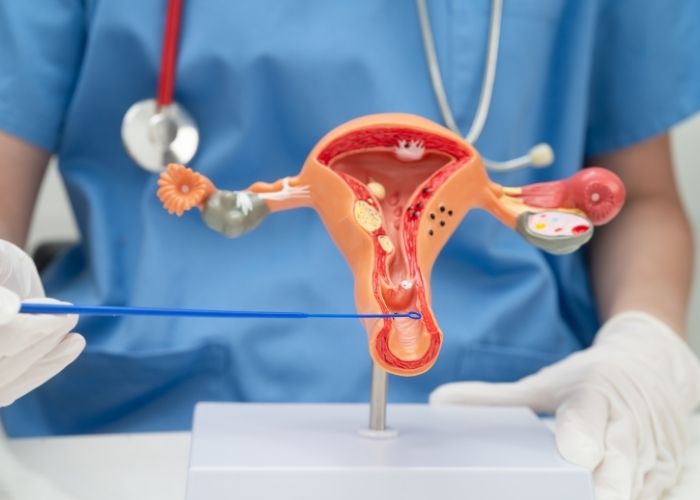
Falling and fluctuating estrogen levels can make vaginal and vulvar tissues thinner, drier, less elastic, and more easily irritated. Natural lubrication may decrease, and changes can also affect the urethra and bladder. This collection of genital, sexual, and urinary symptoms is called genitourinary syndrome of menopause, or GSM.
Unlike hot flashes, GSM often does not improve on its own and may become more noticeable without treatment. Effective nonprescription and prescription options are available.
What is genitourinary syndrome of menopause (GSM)?
GSM is the current medical term for menopause-related changes that were once called vaginal atrophy or vulvovaginal atrophy. The newer term is more complete because symptoms can involve much more than the vagina.
GSM may affect:
- The vulva and labia
- The vaginal opening and vaginal tissues
- The clitoris and sexual sensation
- The urethra and bladder
- Comfort with touch, penetration, exercise, clothing, or pelvic examinations
The condition can begin during perimenopause, after natural or surgical menopause, during breastfeeding, or when medications and cancer treatments lower estrogen levels.

What are the symptoms of GSM?
Symptoms differ from one woman to another and may develop gradually. They can include:
- Vaginal or vulvar dryness
- Burning, itching, soreness, or irritation
- Less natural lubrication during sexual activity
- Pain, tightness, tearing, or light bleeding with penetration
- Discomfort during a pelvic examination
- Changes in sexual sensation or arousal
- Burning or discomfort with urination
- Urinary urgency or frequency
- Recurrent urinary tract infections
- Irritation from wiping, exercise, fitted clothing, or prolonged sitting
Painful intimacy may also reduce desire. That does not necessarily mean libido has disappeared; sometimes the body is reasonably avoiding an experience it expects to hurt.
Is vaginal dryness always caused by menopause?
No. Menopause is a common cause in midlife, but similar symptoms can occur with:
- Yeast infection, bacterial vaginosis, a urinary tract infection, or a sexually transmitted infection
- Contact irritation or allergy from soap, wipes, detergents, pads, lubricants, or fragranced products
- Skin conditions such as lichen sclerosus, lichen planus, eczema, or psoriasis
- Pelvic floor muscle tension or vulvodynia
- Sjogren's syndrome, diabetes, or another medical condition
- Breastfeeding, surgical removal of the ovaries, chemotherapy, pelvic radiation, or anti-estrogen therapy
- Certain antihistamines, antidepressants, and other medications
- A relationship, arousal, or sexual-health concern occurring alongside physical changes
New odor, unusual discharge, sores, significant itching, pelvic pain, or bleeding should not automatically be treated as GSM. An appropriate examination or referral may be needed to identify the actual cause.
When should vaginal dryness be evaluated?
Talk with a healthcare professional when symptoms are persistent, worsening, disrupting intimacy or daily life, or not improving with careful use of nonprescription products. Evaluation is also important for:
- Bleeding after sex
- Any bleeding or spotting after menopause
- New sores, skin color changes, cracks, or areas that do not heal
- Unusual discharge or strong odor
- Significant itching, swelling, pelvic pain, or pain with urination
- Frequent or recurrent suspected UTIs
- Pain that continues despite improved lubrication
- Symptoms that begin during breast cancer treatment or while using an aromatase inhibitor
Seek prompt medical care for fever, back or flank pain, vomiting, severe pelvic pain, inability to urinate, or blood in the urine. These symptoms may indicate an infection or another condition needing timely treatment.
How Benehealth evaluates vaginal dryness and GSM
The conversation should be specific enough to be useful and comfortable enough to be honest. Depending on your symptoms and history, we may review:
- When the dryness, burning, pain, or urinary changes began
- Whether symptoms occur daily, with activity, during penetration, or after urination
- Menstrual and menopause history, including surgical or treatment-induced menopause
- Sexual comfort, arousal, desire, and relationship context when relevant to you
- Vaginal, vulvar, urinary, and pelvic symptoms
- Personal history of breast, uterine, ovarian, or other hormone-sensitive cancers
- Unexplained vaginal bleeding, clotting history, liver disease, and other treatment considerations
- Current medications, supplements, hormone therapy, and previous treatments
- Products used on or around the vulva and vagina
- Whether pelvic examination, infection testing, urinalysis, gynecology, urology, pelvic floor therapy, or another referral is appropriate
Hormone blood tests are not usually required to diagnose typical GSM after menopause. The symptom pattern, history, and examination when indicated are generally more informative than a single estrogen value.
What helps vaginal dryness in menopause?
Treatment depends on symptom severity, medical history, preferences, sexual goals, previous response, and whether another condition is contributing. Some women need one simple change; others benefit from a combination.
What about vaginal laser or other energy-based treatments?
Energy-based vaginal procedures are sometimes marketed for dryness, painful sex, or urinary symptoms. Evidence and long-term safety data remain limited compared with established treatments, and these devices are not cleared by the FDA specifically to treat GSM. They should not be presented as a proven replacement for evidence-based medical care.
How long does treatment take to work?
Lubricants can help immediately with friction. Moisturizers may improve comfort with consistent use over days to weeks. Prescription therapies often require several weeks for meaningful improvement, and tissue changes may continue over a few months.
GSM is usually an ongoing condition. Symptoms often return when effective treatment is stopped, so the plan may need to be continued and periodically reviewed rather than treated as a one-time reset.
You deserve to feel comfortable in your body again
Vaginal dryness is personal, but it is not unusual, trivial, or embarrassing. Whether it is affecting intimacy, exercise, urination, sleep, or simply the way you move through your day, it deserves thoughtful care.
At Benehealth, we look at the whole picture and explain the choices clearly. Together, we can identify reasonable first steps, discuss prescription treatment when appropriate, and recognize when an examination or specialist referral is the better next move.