

When Your Period Stops Following the Calendar
Your period used to be fairly predictable. Now it arrives early, skips a month, lasts longer, disappears for weeks, or returns at the least convenient moment. The flow may be surprisingly light one cycle and unusually heavy the next.
Cycle changes are common during perimenopause, but common does not mean every bleeding pattern should be ignored. Hormonal fluctuations may be the explanation, yet pregnancy, thyroid concerns, fibroids, polyps, medication effects, and changes in the uterine lining can create similar symptoms.
At Benehealth, we look beyond the calendar. We consider the pattern and amount of bleeding, your age, pregnancy possibility, medications, health history, other perimenopause symptoms, and the effect on your energy and daily life. Our goal is to help you understand what may be expected, what needs additional evaluation, and which next steps make sense for you.
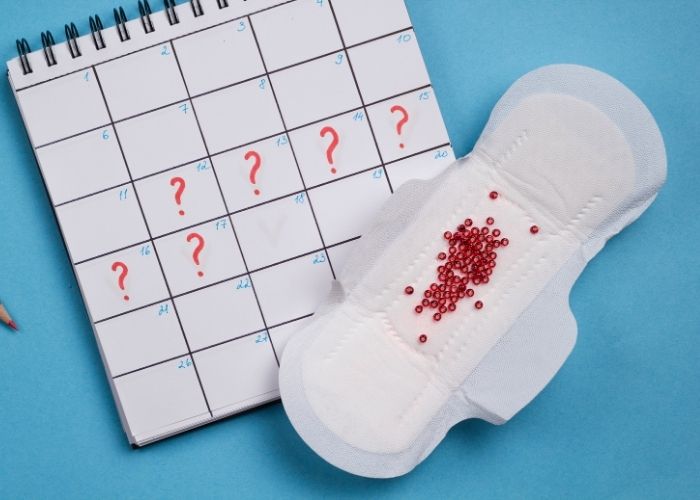

Quick Answer: Are irregular periods normal during perimenopause?
Often, yes. As ovulation becomes less predictable during the menopause transition, estrogen and progesterone patterns fluctuate. Periods may come closer together or farther apart, and bleeding may become lighter, heavier, shorter, or longer. Some months may be skipped entirely.
However, bleeding between periods, bleeding after sex, very heavy or prolonged bleeding, and any bleeding after menopause warrant medical evaluation. A change can be related to perimenopause and still deserve attention.
What counts as an irregular period?
A cycle is counted from the first day of one period to the first day of the next. According to the American College of Obstetricians and Gynecologists, a typical adult menstrual cycle is generally 21 to 35 days, with bleeding lasting up to seven days.
During perimenopause, you may notice:
- Cycles that become shorter or longer
- Periods that arrive more or less often
- Skipped months followed by a return of bleeding
- Flow that is lighter or heavier than before
- Bleeding that lasts fewer or more days
- New spotting or a change in premenstrual symptoms
The pattern matters. So do the amount of blood loss, accompanying symptoms, and how different the bleeding is from your usual cycle.

Why do periods change during perimenopause?

Perimenopause is the transition leading to the final menstrual period. During this stage, the ovaries do not release an egg on the same predictable schedule every month. When ovulation is inconsistent, progesterone production also becomes less consistent, while estrogen may rise and fall unevenly.
These changing signals affect how the uterine lining builds and sheds. The result may be a shorter cycle, a missed period, light spotting, or a heavier-than-expected bleed. Early in the transition, cycles often become shorter. Later, they commonly become farther apart before stopping.
Perimenopause can last several years, and symptoms do not always follow a tidy sequence. Irregular periods may occur alongside hot flashes, night sweats, sleep changes, mood shifts, breast tenderness, headaches, vaginal changes, or brain fog - but some women notice cycle changes first.
Could irregular bleeding be caused by something other than perimenopause?
Yes. Midlife hormone changes are common, but other possibilities may need to be considered, including:
- Pregnancy, including pregnancy complications
- Thyroid dysfunction
- Uterine fibroids or polyps
- Adenomyosis or endometriosis
- Polycystic ovary syndrome or another ovulatory disorder
- Infection or changes involving the cervix
- Blood-clotting disorders
- Significant weight change, under-fueling, intense exercise, or stress
- Hormonal contraception, an intrauterine device, menopause hormone therapy, or other medications
- Changes in the uterine lining, including endometrial hyperplasia or cancer
Most irregular bleeding does not mean cancer. Still, responsible care does not assume that every period change after 40 is harmless or hormonal.

Can I still become pregnant if my periods are irregular?
Night sweats are vasomotor symptoms that occur during sleep. You may wake feeling intensely hot, throw off the covers, notice damp clothing or bedding, and then feel chilled afterward. Even a brief episode can fully awaken the brain and make it difficult to return to sleep.
Repeated sleep disruption can contribute to fatigue, brain fog, headaches, irritability, anxiety, lower stress tolerance, and reduced daytime performance. Treating the nighttime symptom may therefore improve more than temperature comfort alone.
Why do hot flashes happen during perimenopause and menopause?
Treatment depends on the cause, severity, pregnancy goals, need for contraception, health history, and personal preferences. The first step is making sure the bleeding pattern has been appropriately evaluated.
How Benehealth evaluates irregular periods
Evaluation begins with listening carefully to what has changed. Depending on your age, history, symptoms, and severity, we may review:
- Cycle dates, duration, flow, clots, spotting, and pain
- Pregnancy possibility and contraception needs
- Hot flashes, sleep, mood, vaginal symptoms, and other menopause changes
- Fatigue, dizziness, headaches, palpitations, and possible anemia symptoms
- Current medications, supplements, contraception, and hormone use
- Thyroid, metabolic, nutritional, and bleeding-related concerns
- Personal and family history, including fibroids, polyps, clotting concerns, and gynecologic cancers
- Whether cervical screening is current
- Laboratory testing when clinically appropriate, such as pregnancy testing, blood count, iron studies, thyroid testing, or other targeted tests
- Whether pelvic examination, ultrasound, endometrial sampling, or gynecology referral is appropriate
A single hormone level rarely explains an irregular cycle during perimenopause because hormone levels can change substantially from day to day. Testing should be chosen to answer a meaningful clinical question, not simply because a long hormone panel can be ordered.

Which bleeding patterns should be evaluated?
Contact a healthcare professional when you have:
- Bleeding or spotting between periods
- Bleeding after sex
- Bleeding that lasts longer than seven days
- Cycles consistently shorter than 21 days or longer than 35 days
- A marked change from your usual pattern
- No period for several months when pregnancy or another cause is possible
- Heavy bleeding, large clots, or symptoms of anemia
- New pelvic pain, pressure, bloating, or unusual discharge
- Bleeding while using menopause hormone therapy that has not been explained
- Any vaginal bleeding or spotting after menopause
After 12 months without a period, even light spotting should be evaluated promptly. It should not be assumed to be a late or random period.
When is bleeding considered too heavy?
Heavy bleeding can be difficult to judge because products and personal experience vary. Signs that blood loss may be excessive include:
- Soaking through a pad or tampon every hour
- Needing to double up on menstrual products
- Waking repeatedly to change protection
- Passing clots larger than usual
- Bleeding longer than seven days
- Leaking through clothing or bedding
- Feeling unusually weak, dizzy, short of breath, or exhausted
Repeated heavy bleeding can lead to iron deficiency and anemia. Fatigue, headaches, a racing heartbeat, reduced exercise tolerance, pale skin, lightheadedness, or craving ice may be clues that blood loss is affecting more than your schedule.

When is heavy bleeding an emergency?
Seek urgent medical care for extremely heavy bleeding, fainting, severe weakness, chest pain, shortness of breath, a rapid heartbeat, severe pelvic or abdominal pain, or possible pregnancy with bleeding and pain.
ACOG advises emergency care when a person is changing pads or tampons every hour for more than two hours in a row and also has chest pain, shortness of breath, lightheadedness, or dizziness. When in doubt, err on the side of safety.
What can help irregular or heavy periods in perimenopause?
Treatment depends on the cause, severity, pregnancy goals, need for contraception, health history, and personal preferences. The first step is making sure the bleeding pattern has been appropriately evaluated.
Your period can be unpredictable. Your care should not be.
Perimenopause is not a disease, but it can be disorienting when your body stops behaving in familiar ways. You deserve more than being told to wait it out - and more than an assumption that every irregular period requires an extensive treatment plan.
At Benehealth, we bring together your cycle history, menopause symptoms, energy, metabolic health, medications, risks, and goals. We help clarify what may be part of the transition, what needs further evaluation, and where personalized care or referral may help.